Industry News
 2026.01.09
 Industry News
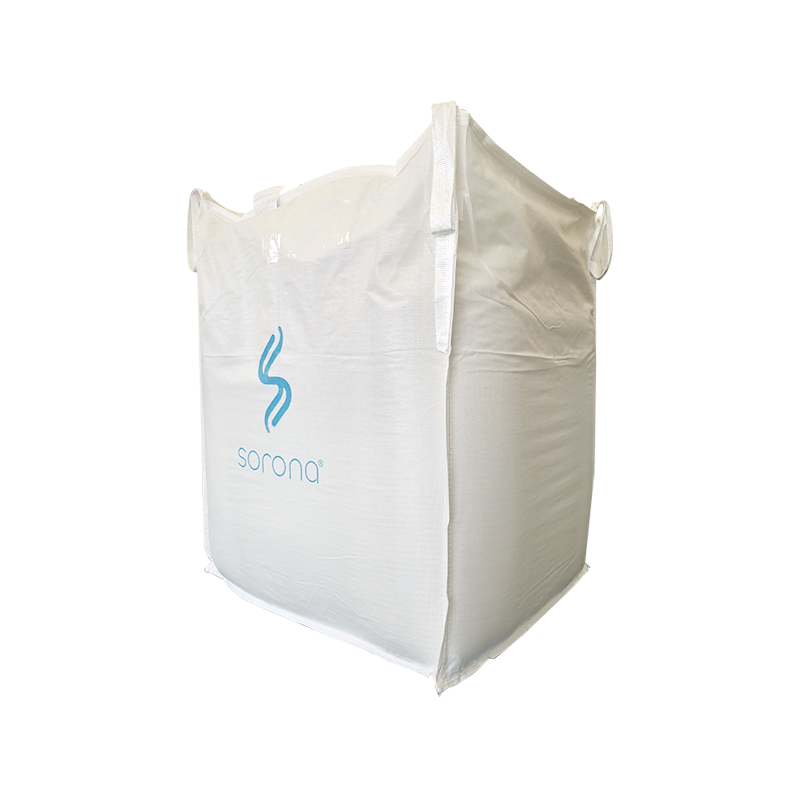
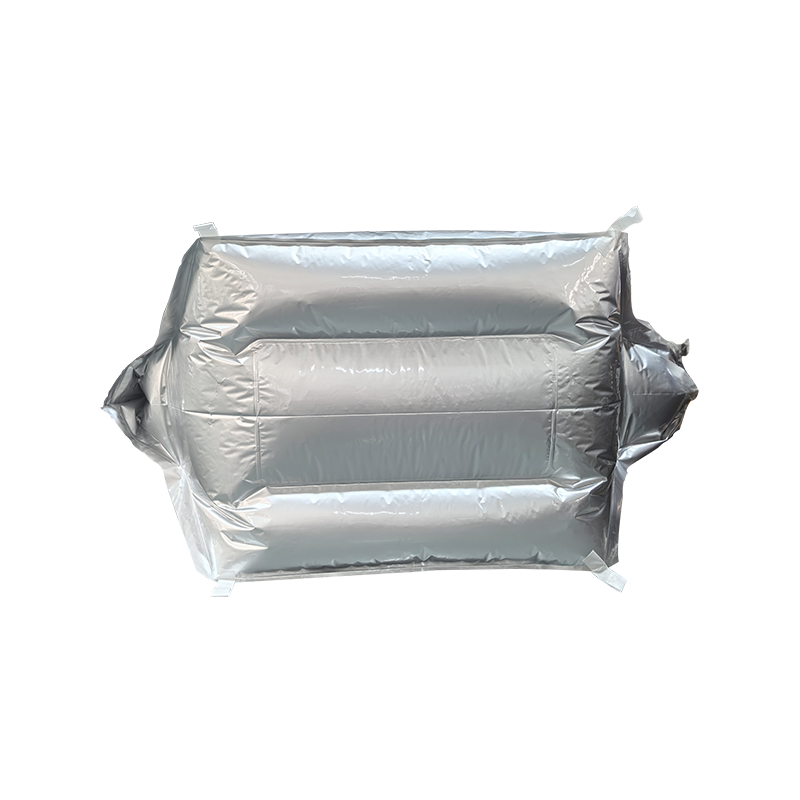
In the logistics, agriculture, and construction sectors, the efficient movement and storage of large quantities of dry, flowable materials is a constant operational challenge. A key tool developed for this purpose is the tonnage bag. Also commonly known as a Flexible Intermediate Bulk Container or FIBC, a tonnage bag is a large, woven polypropylene container designed to hold anywhere from 500 to 2,000 kilograms of material. These versatile containers have revolutionized bulk handling by offering a reusable, cost-effective, and space-efficient alternative to rigid containers, small sacks, or direct bulk transport for many materials.
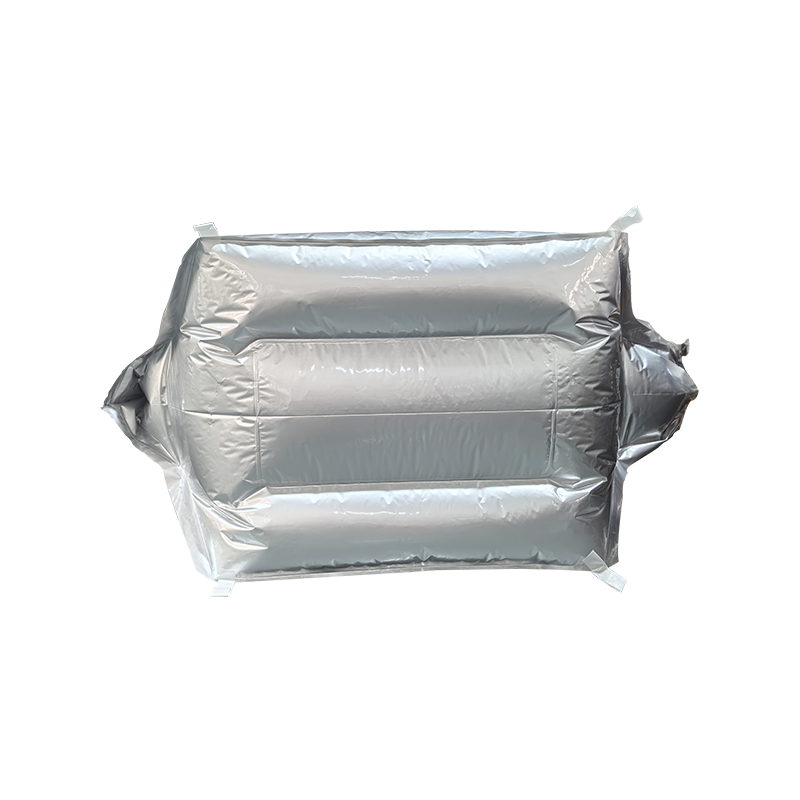
The primary function of a tonnage bag is to consolidate and contain bulk commodities. Its construction from strong, UV-stabilized polypropylene fabric provides both durability and flexibility. The standard design is cubic or slightly rectangular when filled, allowing for stable stacking and ideal use of space in warehouses and shipping containers. A tonnage bag typically features integrated lifting loops, often in a specific configuration, which allow it to be easily handled by forklifts or cranes. This design transforms loose, granular, or powdered materials into a single, manageable unit, dramatically speeding up loading, unloading, and transfer processes while reducing spillage and dust.
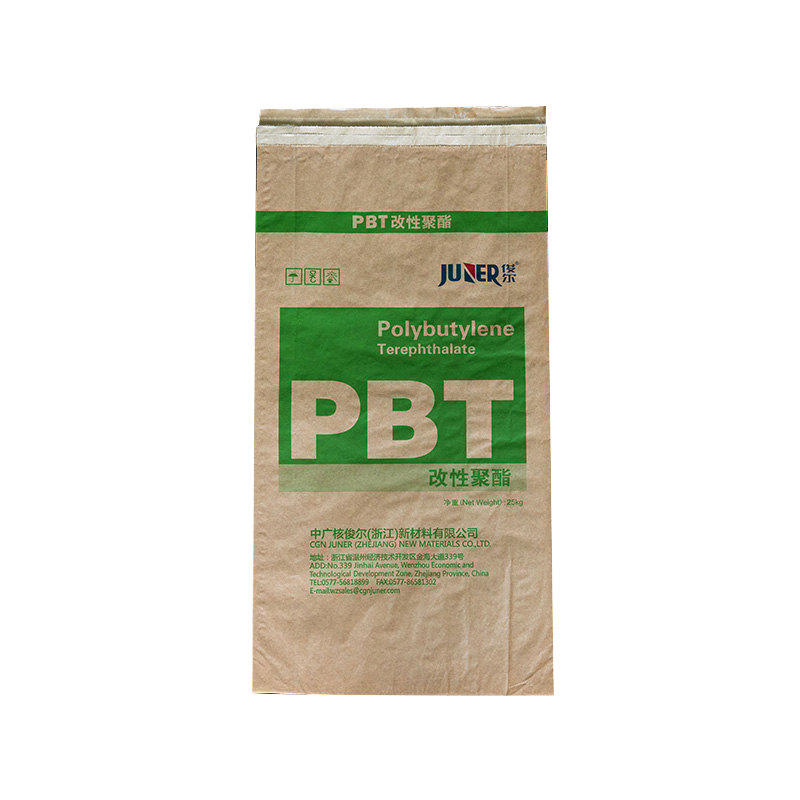
The application spectrum for the tonnage bag is remarkably broad, underscoring its utility. In agriculture, tonnage bags are used for storing and transporting grains, animal feed, and fertilizers. In the chemical and mineral industries, they hold plastic resins, compounds, sands, and ores. The construction industry utilizes them for aggregates like sand and gravel. Food-grade versions of the tonnage bag, manufactured with specific liners and under controlled conditions, are employed for sugar, flour, and other edible commodities. The ability to source a tonnage bag designed for specific material properties—such as anti-static for flammable powders or with a liner for hygroscopic materials—makes it a highly adaptable solution.
Safety and standardization are critical aspects of the tonnage bag industry. Given the significant weights involved, the design and manufacturing of these bags follow strict guidelines. Factors like the Safe Working Load, safety factor (often 5:1 or 6:1), and the type of lifting loops are clearly specified. Bags are tested for seam strength and fabric durability. Furthermore, specific types of tonnage bags are certified for different purposes; for instance, some are approved for transporting hazardous materials. This focus on engineered safety is what allows a tonnage bag to be trusted with valuable and sometimes sensitive cargo.
The operational and economic advantages of using tonnage bags are significant. Compared to unloading and storing material in silos or piles, a tonnage bag system offers flexibility, as filled bags can be easily moved and stored outdoors if necessary. They eliminate the need for a dedicated return trip for empty rigid containers, as empty bags can be compactly folded. This reduces transportation costs and environmental impact. For end-users, a tonnage bag provides a convenient, sealed, and often weather-resistant portion of material that can be consumed as needed, improving inventory control.
Innovation in tonnage bag technology focuses on enhanced performance, tracking, and sustainability. Developments include smarter bags with integrated RFID tags for supply chain visibility, advanced coatings for even greater moisture or UV resistance, and designs that facilitate easier emptying. As global trade in bulk commodities continues to grow, the reliable, efficient, and adaptable tonnage bag will remain an indispensable workhorse, quietly ensuring that everything from plastic pellets to wheat makes its journey from producer to processor safely and efficiently.

Contact Information
 +86-13736914010
 Unit 1, Building 1, No. 61 Anye Road, Pandai Street, Wenzhou, Zhejiang, China.
Get in Touch
Copyright © Ruian Modern Packaging Co., Ltd. All Rights Reserved.

Composite Packaging Bag Manufacturer



 English
 Deutsch
 中文简体
中文简体