Industry News
 2026.01.16
 Industry News
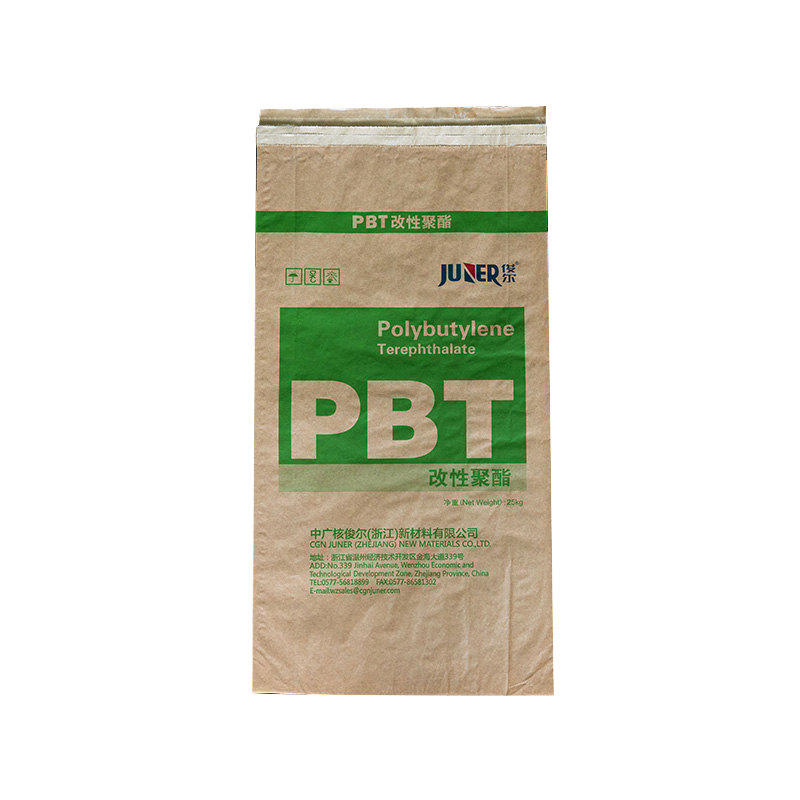
In the ongoing search for packaging solutions that balance functionality, cost, and environmental considerations, a specific category has gained prominence: the paper plastic composite bag. This packaging type is not made from a single material but is a structured laminate, combining layers of paper and plastic film. The resulting paper plastic composite bag leverages the distinct advantages of each component, creating a versatile product used extensively for consumer goods, pet food, fertilizers, and various industrial products. Its development reflects a pragmatic response to market demands for durability, printability, and certain performance characteristics that are difficult to achieve with pure paper or plastic alone.
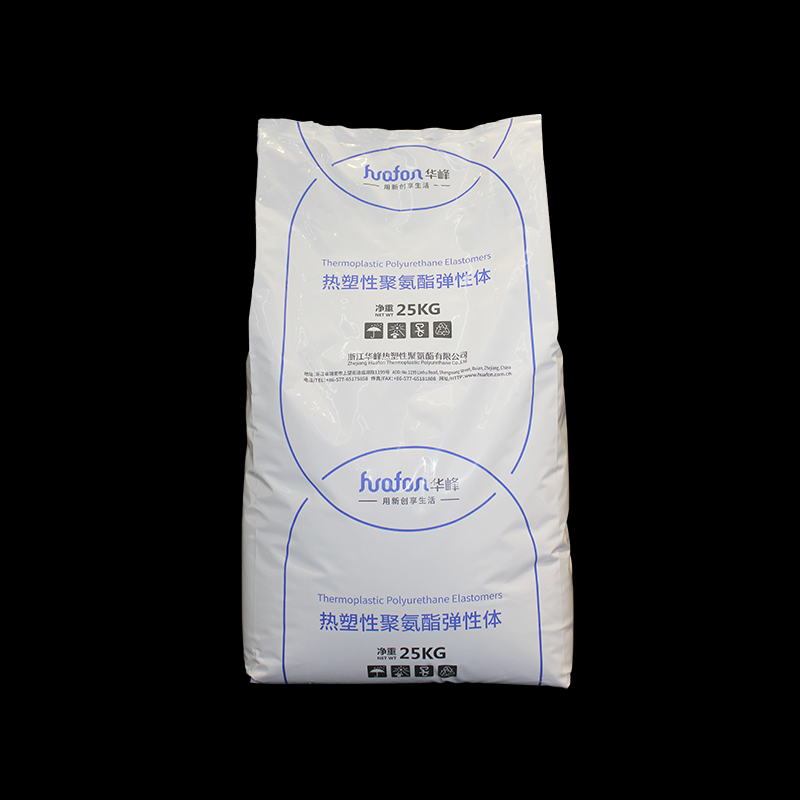
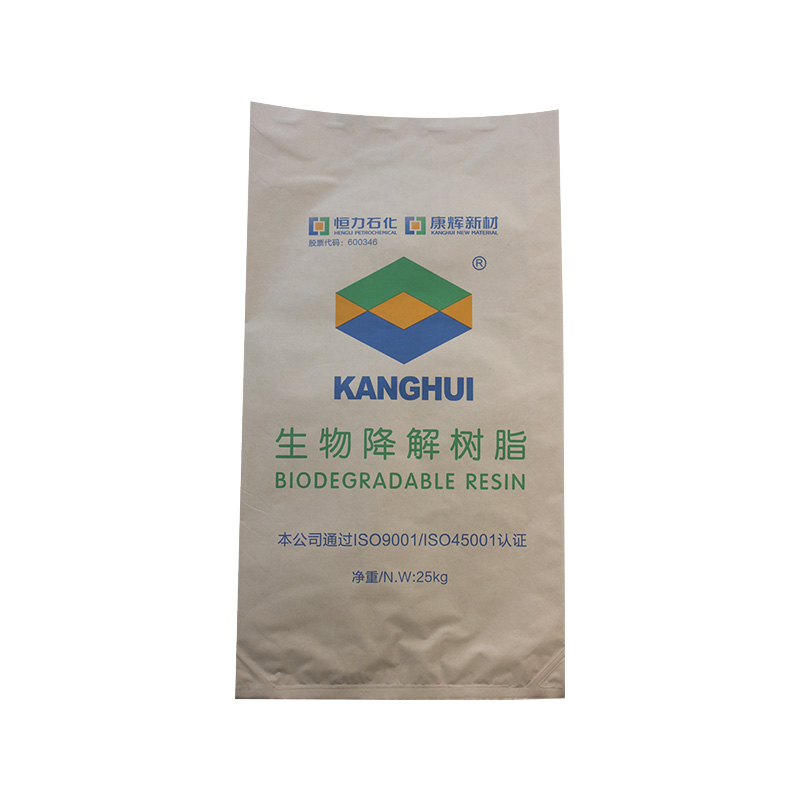
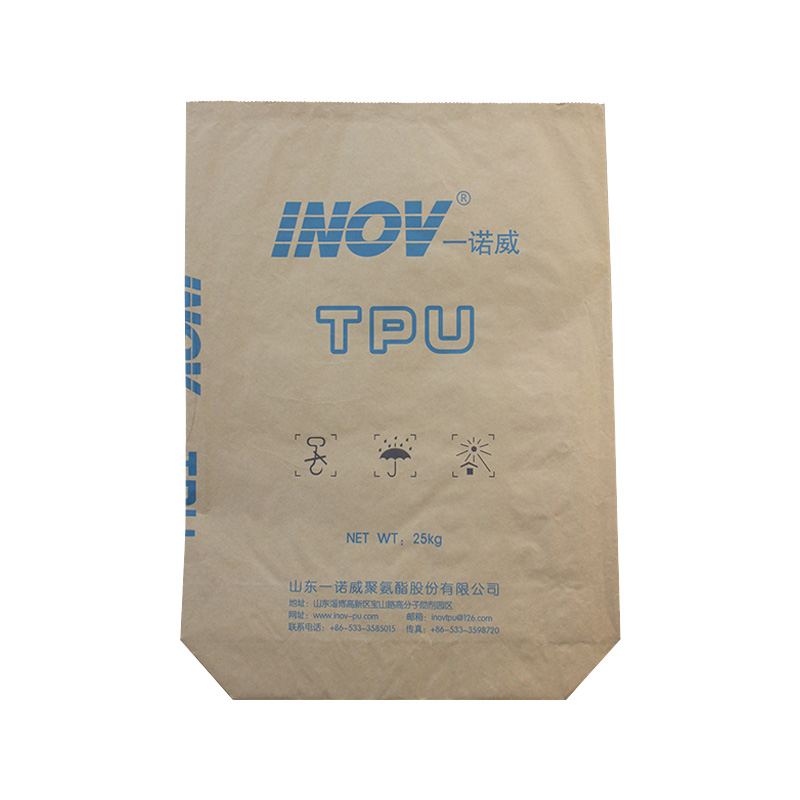
The fundamental construction of a paper plastic composite bag involves bonding a layer of paper—often kraft paper—to one or more layers of plastic film, such as polyethylene. This is typically achieved through extrusion lamination, where molten plastic is applied directly to the paper, creating a strong, inseparable bond. The paper layer provides several key benefits: it offers high tensile strength and rigidity, allowing the bag to hold substantial weight without excessive stretching. It also provides an outstanding, natural-looking surface for high-quality printing, enabling vibrant branding and product information. The plastic layer, meanwhile, acts as a functional barrier. It provides essential moisture resistance, prevents grease or oil from seeping through, and can offer a degree of airtightness to protect contents.
The application of paper plastic composite bags is widespread, particularly in sectors where product protection and shelf presentation are both important. In retail, they are commonly used for packaging bird seed, grass seed, potting mix, and pet food, where the bag must withstand weight and rough handling while displaying attractive graphics. For certain food products like flour or sugar in larger quantities, a paper plastic composite bag can offer better moisture barrier properties than a pure paper sack. Industrially, they are used for chemicals, minerals, and other dry goods where the combination of strength and barrier protection is valuable.
From an environmental perspective, the paper plastic composite bag presents a complex profile, which is a central point of discussion. The paper component is renewable, biodegradable, and often sourced from recycled content or sustainably managed forests. However, the bonded plastic layer can complicate end-of-life processing. A paper plastic composite bag is typically not readily recyclable in standard paper streams due to the plastic contamination, nor is it easily processed in plastic recycling due to the paper content. This has led to its classification as a challenging material in many municipal recycling systems, pushing innovation toward developing more easily separable or mono-material alternatives.
Innovation in the paper plastic composite bag sector is heavily focused on improving sustainability without sacrificing performance. This includes research into bio-based or compostable plastic layers that could allow for industrial composting of the entire structure. Another avenue is the development of thinner, high-performance plastic coatings to reduce the overall plastic content while maintaining necessary barriers. There is also work on creating easier-to-recycle structures, such as using compatible polymers or designing for easier separation. As regulations and consumer preferences continue to evolve, the future of the paper plastic composite bag will depend on its ability to adapt, striving to maintain its practical advantages while reducing its environmental footprint and integrating more seamlessly into circular economy models.

Contact Information
 +86-13736914010
 Unit 1, Building 1, No. 61 Anye Road, Pandai Street, Wenzhou, Zhejiang, China.
Get in Touch
Copyright © Ruian Modern Packaging Co., Ltd. All Rights Reserved.

Composite Packaging Bag Manufacturer



 English
 Deutsch
 中文简体
中文简体