Industry News
 2025.12.19
 Industry News
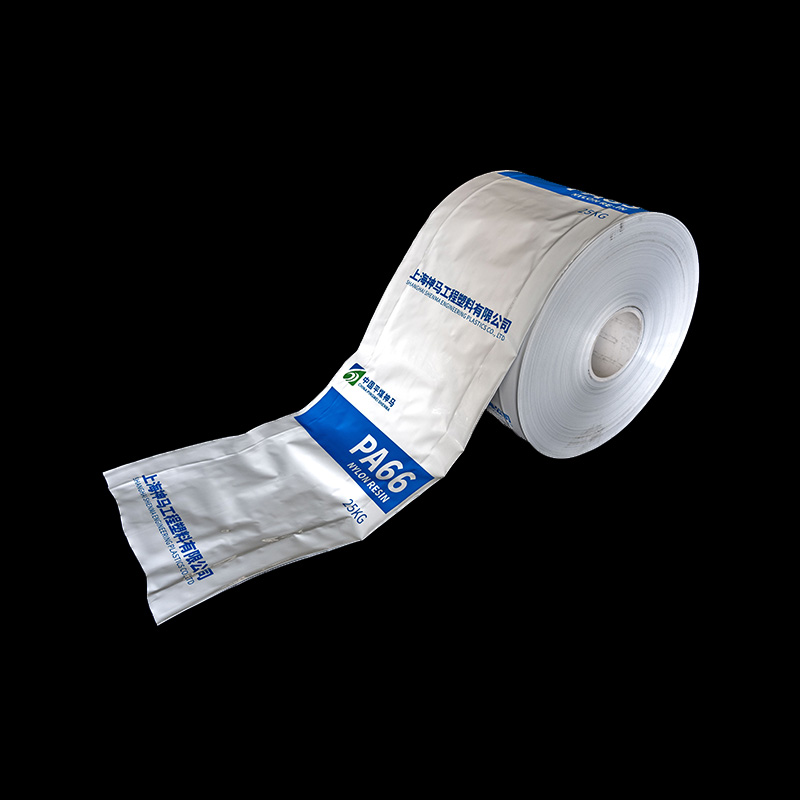
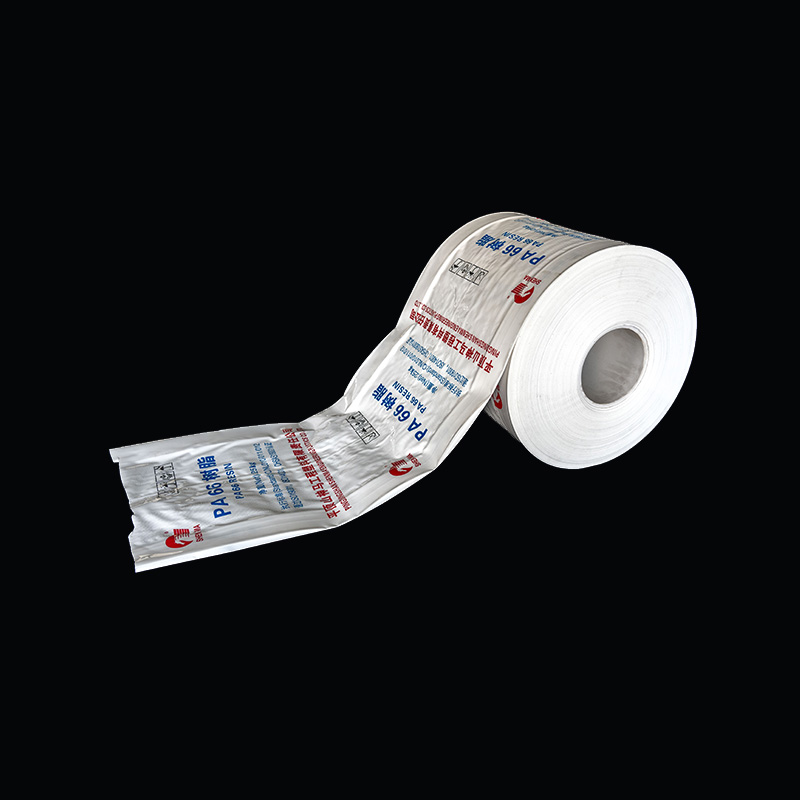
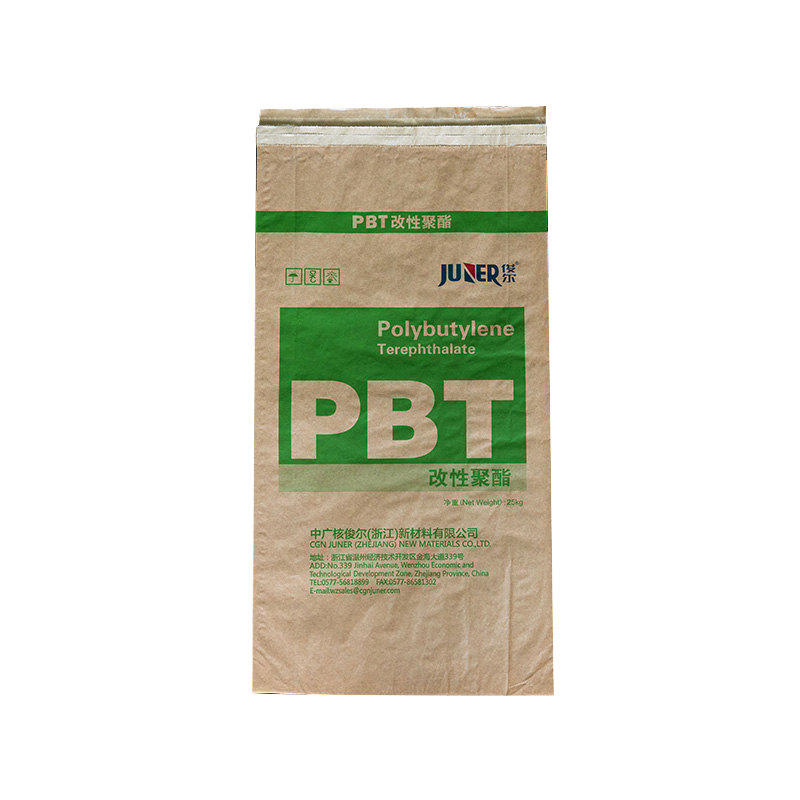
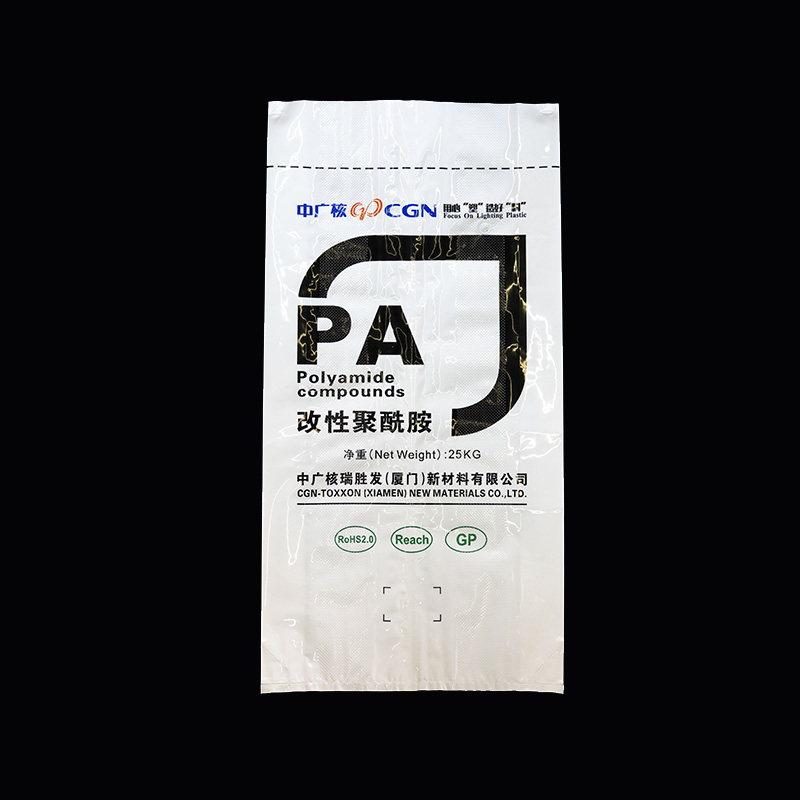
The packaging landscape is undergoing a significant transformation, driven by evolving consumer demands, regulatory pressures, and supply chain complexities. At the forefront of this shift is the growing adoption of composite packaging, a material solution that combines the beneficial properties of different substrates like plastics, paperboard, aluminum foil, and bio-based layers. This innovative approach to composite packaging is enabling brands to meet diverse performance requirements for product protection, shelf life, and sustainability, positioning it as a versatile choice for a wide range of applications.
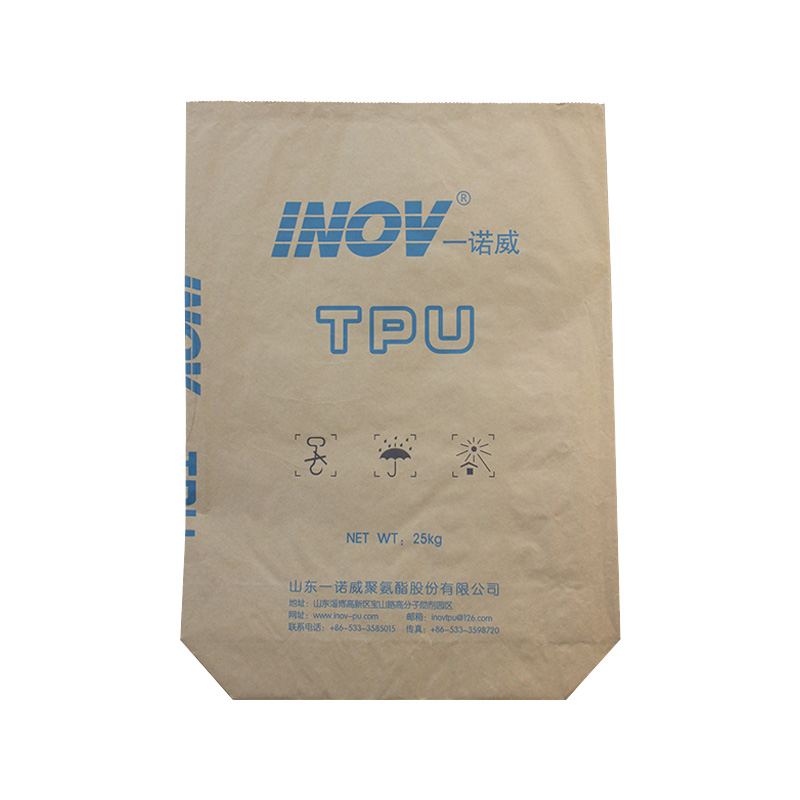
The fundamental appeal of composite packaging lies in its engineered, multi-layered structure. By laminating or co-extruding different materials, manufacturers can create a single package that achieves what individual materials cannot. For instance, a typical structure might use paperboard for rigidity and printability, a thin layer of aluminum foil for an exceptional barrier against light and oxygen, and a food-grade plastic sealant layer. This synergy makes composite packaging particularly valuable for sensitive products in the food and beverage, pharmaceutical, and specialty chemical industries, where maintaining product integrity from production to consumption is paramount.
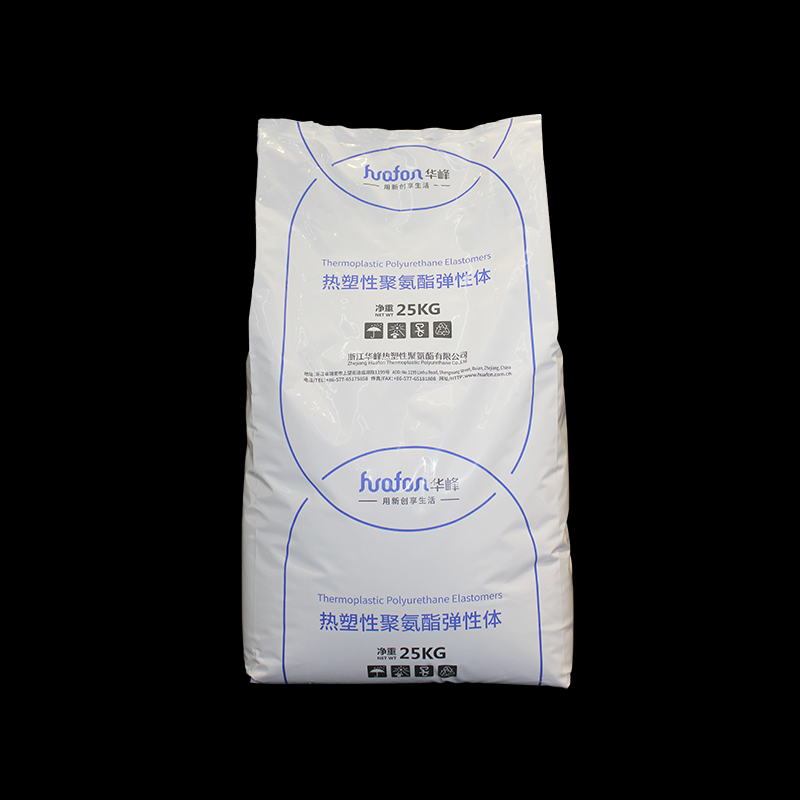
In the food sector, composite packaging is a cornerstone for extending shelf life and reducing food waste. Stand-up pouches for coffee, soups, and snacks, as well as aseptic cartons for liquids like milk and juice, rely on high-barrier composite packaging to lock out contaminants and preserve freshness without the constant need for refrigeration. This functionality not only ensures product safety but also optimizes logistics by allowing for lighter-weight, more space-efficient shipments compared to traditional rigid containers. The growth of e-commerce has further amplified the need for the durability and protective qualities inherent in well-designed composite packaging.
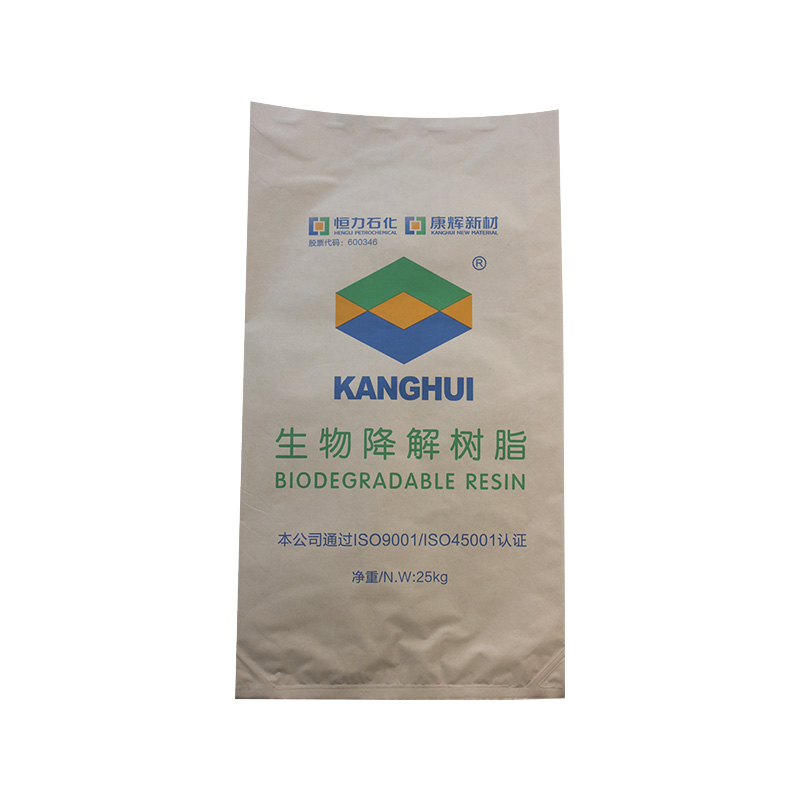
Sustainability is a central and complex driver in the composite packaging conversation. On one hand, the material-efficient, lightweight nature of many composite packaging formats can cause a lower carbon footprint during transportation compared to heavier alternatives. The extended shelf life it provides also contributes to waste reduction. On the other hand, the multi-material nature of traditional composite packaging has posed challenges for end-of-life recycling in conventional systems. This challenge is now fueling intense innovation, with the industry developing new mono-material composite packaging solutions that maintain performance while being easier to recycle. Additionally, there is significant investment in incorporating recycled content and bio-based polymers into the layers of composite packaging.
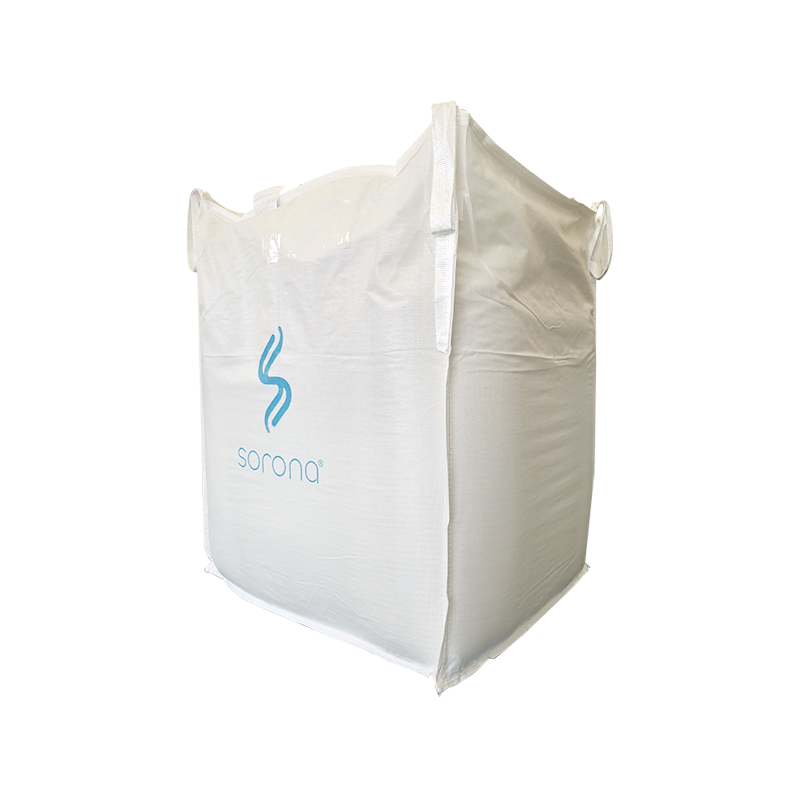
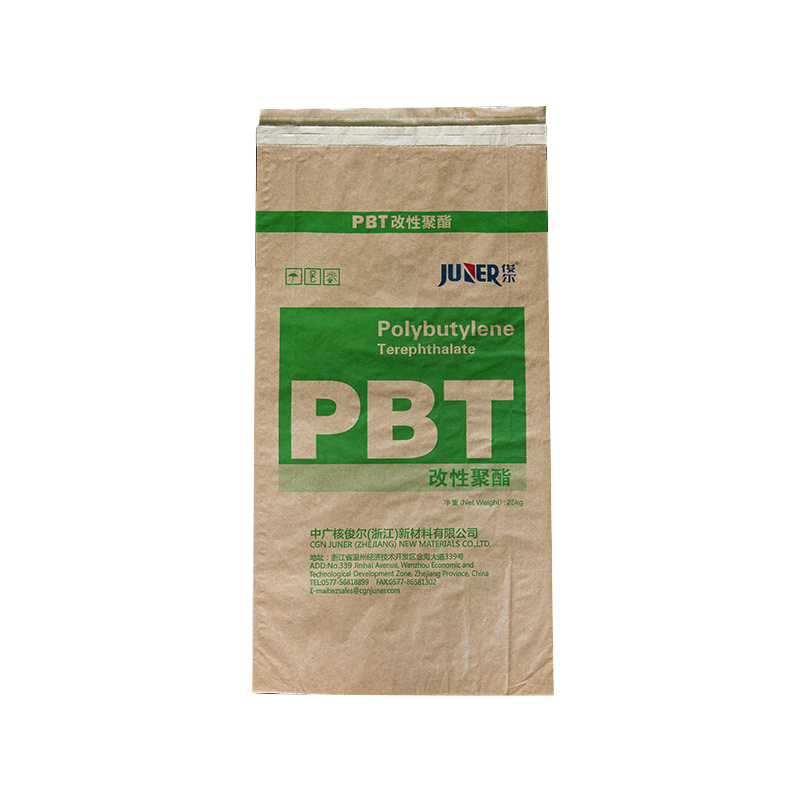
Beyond consumer goods, composite packaging plays a critical role in industrial and technical applications. It is used for packaging hygroscopic materials, certain chemicals, and medical devices that require a controlled atmosphere or high moisture barrier. The ability to customize the composite packaging structure for specific technical parameters—such as chemical resistance, vapor transmission rates, or static dissipation—makes it an indispensable solution for high-value, sensitive industrial products.
Composite packaging represents a sophisticated and adaptive response to modern packaging challenges. Its strength lies in its customizable, performance-driven design, which delivers critical benefits in protection, efficiency, and lightweighting. While the industry continues to navigate and innovate around end-of-life scenarios, the functional advantages and ongoing sustainable evolution of composite packaging ensure its continued relevance and growth across global markets, shaping how products are preserved, presented, and protected.

Contact Information
 +86-13736914010
 Unit 1, Building 1, No. 61 Anye Road, Pandai Street, Wenzhou, Zhejiang, China.
Get in Touch
Copyright © Ruian Modern Packaging Co., Ltd. All Rights Reserved.

Composite Packaging Bag Manufacturer



 English
 Deutsch
 中文简体
中文简体